
Skills vs. Experience: What Really Matters When You’re Hiring?
Jun 25, 2025
F
Flex Surveys 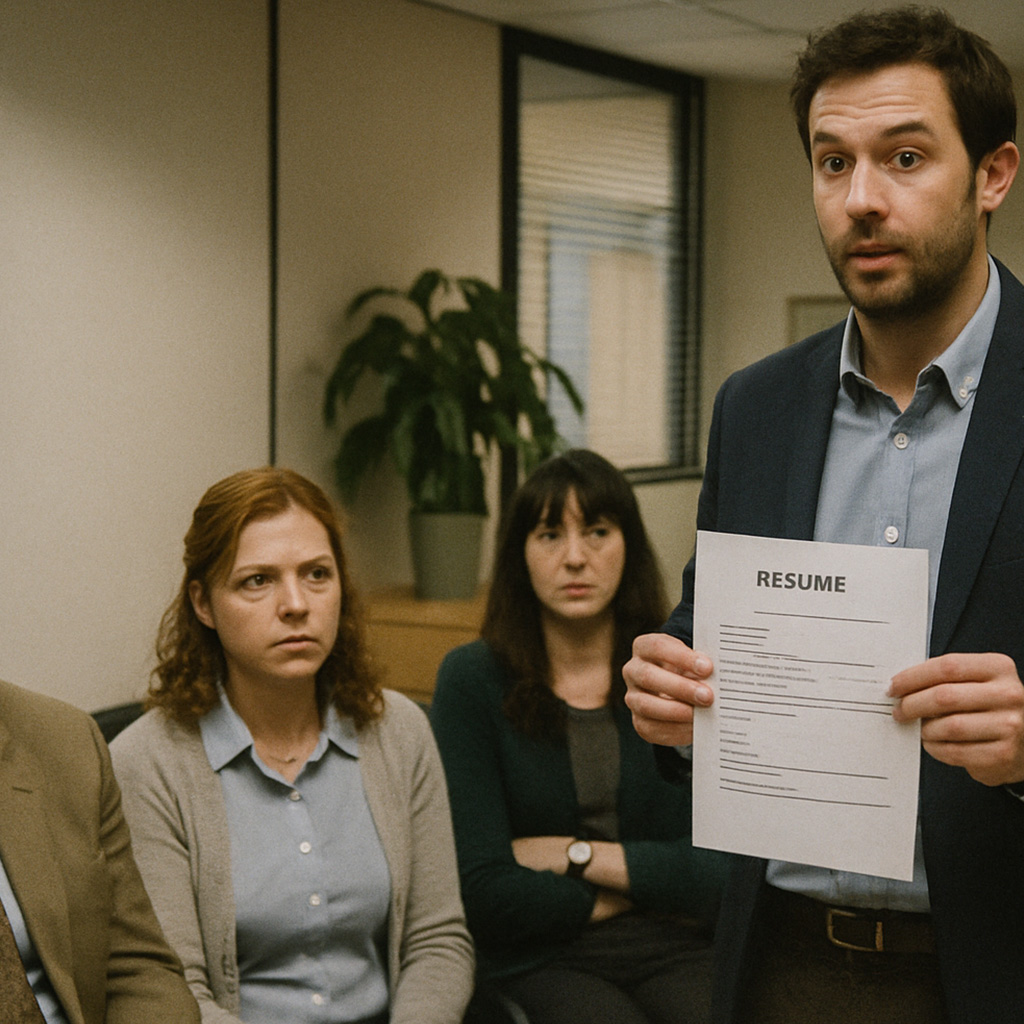
It’s one of the oldest debates in hiring—and one of the most persistent. Should you hire for skills or experience?
Do you go with the candidate who’s done it all before, who’s spent a decade climbing the ranks in your industry? Or do you take a chance on someone with raw talent and drive but an unconventional resume?
Here’s the truth: it’s not an either-or question. But understanding how to weigh skills and experience—especially in today’s fast-changing workplace—can transform how you build your team.
For decades, “years of experience” was the gold standard. Job postings were full of lines like “must have 7+ years” or “prior industry experience required.” These checkboxes made hiring easier—or so we thought.
And let’s be clear: experience does bring real value.
It can offer:
Context: not just how to do the work, but why it matters. Pattern recognition: the ability to spot problems before they happen. Confidence under pressure: because they’ve seen this before.
But here’s the catch—experience doesn’t always equal growth. Someone might have ten years of experience doing the same thing over and over. Another person might have only two years but in a fast-paced environment where they had to wear five hats, solve big problems, and adapt on the fly.
Years on paper don’t always reflect depth, learning, or agility.
Today’s workplace doesn’t stand still. Roles evolve quickly, and the tools we use change every year—sometimes every quarter. Hiring based only on experience can feel like betting on where someone was, not where they’re headed.
That’s why more teams are hiring for skills.
Skills-based hiring asks:
What can this person do today? How do they approach problems? How quickly can they learn something new?
Hiring for skills means looking at:
Problem-solving ability. Communication and collaboration style. Comfort with new tools, systems, and ambiguity.
Skills offer something experience can’t always show—potential. And in fast-moving teams, potential is a superpower.
It depends. Really.
Some roles need deep experience. In regulated industries or senior leadership positions, you want someone who’s been through the fire. You probably don’t want a brand-new surgeon figuring it out in the operating room.
But many roles—especially in marketing, operations, customer success, and product—can be learned quickly by someone with the right foundational skills and support.
Here’s a simple way to think about it:
Experience matters more when:
The role involves compliance, regulation, or legal risk. It’s a senior leadership or strategic decision-making role. The job requires deep technical specialization.
Skills matter more when:
The industry or team is rapidly evolving. The role is collaborative or cross-functional. The candidate has a track record of learning fast.
Still stuck? Ask yourself: Do we need someone who’s done this exact thing before—or someone who can figure it out fast and do it well?
There are a few big shifts driving this conversation:
More people are entering new fields through bootcamps, side hustles, or self-directed learning. If you only hire based on resumes that follow a traditional path, you miss out on great candidates—especially those from underrepresented or non-linear backgrounds.
The shelf life of any one skill is shrinking. What someone did five years ago may not matter today. You need people who can adapt, not just repeat.
Younger candidates are learning fast—on YouTube, with AI tools, through freelancing. They may not have ten years of “experience,” but they come with technical fluency, a growth mindset, and entrepreneurial drive.
Every job is different, but some foundational skills cut across roles and industries. These are often the most valuable—and transferable.
Look for:
Critical thinking: Can they assess a situation and find smart solutions? Adaptability: How do they handle change, feedback, and unknowns? Communication: Can they clearly share ideas and work well with others? Tech fluency: Do they pick up new tools and systems quickly? Initiative: Do they see problems and take action without being asked?
If you want to balance skills and experience, here are a few ways to get started:
Avoid boilerplate like “must have 5+ years of experience” unless it’s truly essential. Instead, describe what success in the role looks like. Be outcome-focused.
Example:
Instead of “3 years in B2B SaaS,” try “You’ve worked on digital products and used feedback to improve the user experience.”
Give candidates a small challenge or case study. It’s a better way to understand how they think and work—and gives them a more accurate preview of the role.
Don’t just ask about past job titles. Try:
“Walk me through how you’d approach this scenario…”
“Tell me about a time you had to learn something quickly.”
“What’s a recent project you’re proud of, and why?”
If you hire for potential, support that potential. A strong onboarding program and culture of learning can turn a great hire into a long-term contributor.
There’s one more reason to rethink experience-first hiring: fairness.
Resumes often reflect access, not just ability. When we prioritize where someone worked over what they can do, we risk reinforcing bias. By shifting to skills, we level the playing field—and surface incredible talent that might otherwise be overlooked.
This isn’t a binary choice.
Great hiring means understanding what a role truly needs—and building a process that uncovers both what a candidate can do today and what they’re capable of tomorrow.
Experience tells you where someone’s been.
Skills show you where they’re going.
The strongest teams? They have both.
Create your own survey for almost anything.
The most comprehensive solution for all your insight needs